Authoritative Educational Resources for Colorado Residents
Homeownership in Colorado comes with unique infrastructure responsibilities. The extreme shifts between arid summer heatwaves and sub-zero winter cold snaps place immense mechanical stress on residential pipes, hot water systems, and underground drainage networks. Our plumbing resource library provides homeowners with factual, practical guidance grounded in Colorado geology, climate data, and municipal water science.
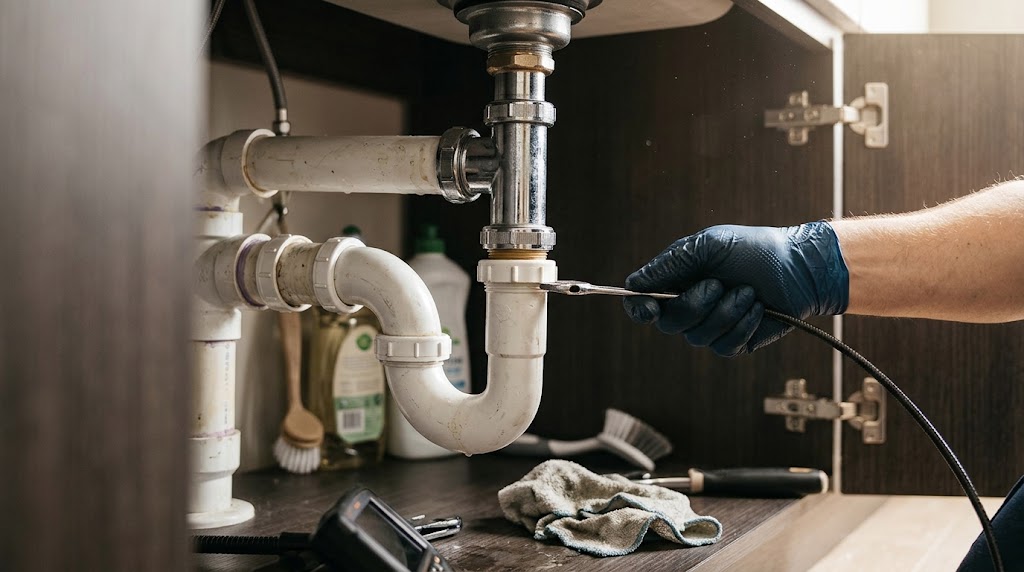
Colorado Winter Plumbing Guide: Preventing Frozen and Burst Pipes
Learn why vulnerable wall cavities freeze during sub-zero polar fronts, warning signs of frozen lines, and safe thawing protocols.
Read Full Guide →How Colorado's Expansive Soils Affect Underground Sewer Lines
Examine how bentonite and smectite clay soils exert hydraulic pressure on buried sewer laterals, creating pipe bellies and joint shears.
Read Full Guide →
Colorado Water Hardness and Its Effects on Residential Water Heaters
Understand how mineral concentrations across Colorado utilities lead to popping sediment blankets, reduced efficiency, and element failure.
Read Full Guide →
Tree Root Intrusion and Recurring Sewer Line Blockages in Colorado
Discover why Colorado trees seek moisture through sewer pipe joints, how roots cause backups, and modern trenchless clearing methods.
Read Full Guide →Practical Homeowner Maintenance Principles
A well-maintained plumbing system saves homeowners thousands of dollars in premature replacements, water damage restoration, and municipal surcharge fees. We encourage all homeowners to inspect their primary shutoff valve twice yearly, bleed outdoor irrigation spigots prior to October freezes, and schedule professional video camera pipe inspections whenever slow drainage persists across multiple fixtures.
Seasonal Colorado Plumbing Maintenance Calendar
To keep your plumbing operating at peak reliability throughout Colorado's four distinct seasons, follow this structured annual checklist:
Spring (March – May): Thaw & Drainage Verification
- Inspect Outdoor Spigots: As mountain snow melts and freezing nights subside, turn on outdoor sillcocks with your thumb over the nozzle. If water pressure drops or you hear hissing inside the wall, the internal copper barrel split during winter and must be replaced before full-season irrigation starts.
- Test Sump Pump Operations: Spring snowmelt rapidly saturates foundation soils. Pour a five-gallon bucket of water into your sump pit to ensure the float switch activates cleanly and the check valve prevents backflow.
- Check Pressure Reducing Valves: Rapid seasonal shifts in municipal pumping can produce pressure surges. Verify that indoor water pressure remains between 50 and 65 PSI using an inexpensive hose-bib pressure gauge.
Summer (June – August): Irrigation & Root Growth Surveillance
- Monitor Main Drain Performance: High summer temperatures drive tree roots toward underground sewer laterals. If toilets gurgle when the washing machine drains, schedule a preventative CCTV video inspection.
- Inspect Water Heater Temperature Settings: Ensure your water heater thermostat is set to 120°F. Higher temperatures cause rapid mineral scale precipitation and increase scalding risks for young children.
Autumn (September – November): Winterization & Freeze Preparation
- Disconnect All Garden Hoses: Before mid-October, disconnect and drain every outdoor garden hose. Stored water inside a connected hose prevents frost-free bibs from draining, guaranteeing a pipe rupture.
- Flush Water Heater Sediment: Perform an annual tank flush to drain out calcified calcium and magnesium scale that accumulated over summer, restoring heating efficiency for winter.
- Blow Out Sprinkler Systems: Schedule a professional compressed air blowout of your underground sprinkler lines before the ground freeze line reaches four inches deep.
Winter (December – February): Sub-Zero Freeze Protection
- Circulate Warm Air in Wall Cavities: Open bathroom vanity and kitchen sink cabinet doors on exterior walls during severe cold snaps.
- Keep Indoor Temperatures Consistent: Maintain indoor heating at 65°F or higher at all times, even when traveling for the holidays.

Understanding Colorado Water Rights, Drainage Law, and Municipal Permitting
Plumbing in Colorado operates under strict state and local regulatory frameworks designed to protect public health, prevent contamination of shared water supplies, and ensure structural safety. Whenever plumbing modifications involve water service replacements, sewer lateral installations, or water heater conversions, permits from local municipal building departments—such as Castle Rock Community Development, Loveland Building Division, or Broomfield Community Development—are legally required. Colorado Plumbing Pros handles all required permit applications, safety inspections, and code compliance checks, providing complete peace of mind for Colorado homeowners.